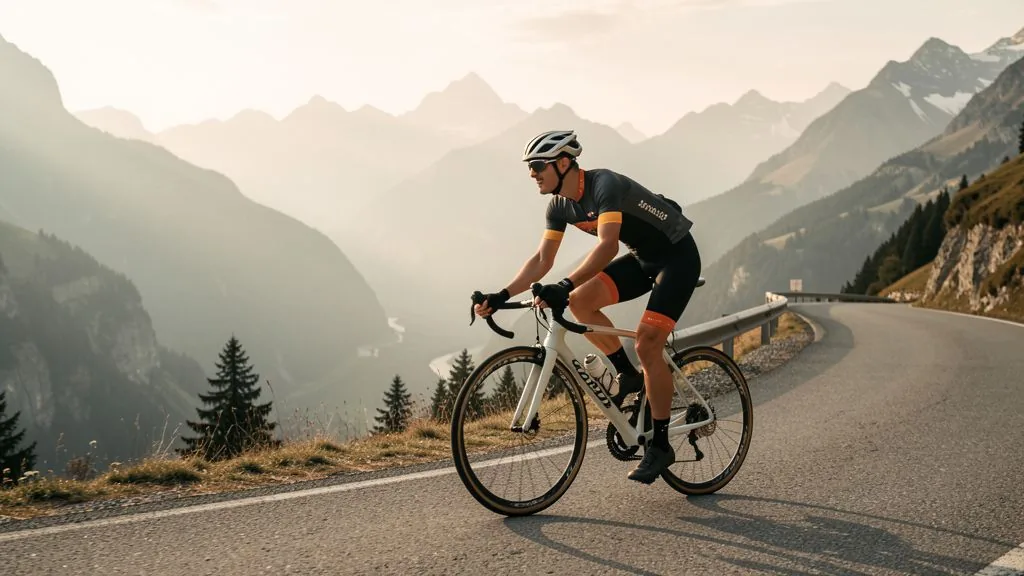
Numb hands are the most common comfort problem on the bike — and most riders carry on for years as if it were normal. Yet there is almost always a physical problem behind it: your body weight rests for hours on a nerve that was never built for it. The good news: in the vast majority of cases this can be fixed for good with a few targeted changes to bike fit, grip and equipment — without expensive gear.
What happens in your hands on the bike
Unlike walking, on the bike you support a significant part of your upper body through your outstretched arms on the handlebar. The contact area is tiny: two heels of the hand, each perhaps the size of a thumbprint. Tendons, blood vessels and above all nerves run directly under the skin there — with no muscle padding to protect them.
If your body weight presses on this zone continuously, the nerve is compressed. First it signals with tingling, then with a fuzzy feeling, and eventually the hand is simply numb. If you do not release the pressure, the nerve can stay irritated for weeks — which is why stubborn numbness is more than a cosmetic issue.
The five most common causes
- Too much weight on the handlebar: If the saddle is too high, too far forward, or the reach is too long, you support more than you need to. This is cause number one and at the same time the most commonly overlooked.
- Ulnar compression at the heel of the hand: The ulnar nerve runs right at the heel of the hand towards the little finger and ring finger. That is exactly where the bar presses. The result: a numb outer hand — typical for riders who hold the same grip position all ride.
- Carpal tunnel (median nerve): A stretched wrist position in the hoods or on the top bar can compress the median nerve. Then the thumb, index and middle fingers go numb — a different pattern than with the ulnar nerve.
- Cold and vibration: In low temperatures the blood vessels narrow, and on rough asphalt and gravel high-frequency vibration is added. Both noticeably amplify the numbness, even with an otherwise good position.
- Neck and shoulder tension: An overextended cervical spine can irritate nerve roots that radiate into the hand. The hand is then not the problem but the symptom.
Seven quick fixes for numb hands
- Change grip position regularly: The most effective and simplest tip. Switch every five to ten minutes between the top bar, the hoods and the drops. Every change takes the pressure off the same nerve and gives it a break.
- Keep the wrist neutral: A straight line from forearm to hand relieves the carpal tunnel. Do not bend the wrist sharply up or down — in the hoods, a light wrap around the lever rather than a tight grip is enough.
- Loosen your grip: Many riders unconsciously clamp the bar. A tighter grip raises pressure and muscle tension. Make a point of consciously relaxing your fingers now and then.
- Shoulders down, elbows slightly bent: A relaxed position with lightly bent arms absorbs shocks and reduces the load on the hands. Stiff, locked-out arms pass every bump straight into the heel of the hand.
- Engage back and core: The more your trunk carries your upper body weight, the less your hands have to. Core strength is therefore direct hand-comfort training.
- Gloves with gel padding: Padding under the heel of the hand dampens pressure and vibration. Replace your gloves regularly — hard, worn-out padding works almost like none at all.
- Breaks and shaking out: On long rides, consciously shake out the hand and open the fingers. Five seconds of relief is often enough to avoid numbness.
Bike fit: the root of the problem
Even if all the quick fixes work — as long as too much weight rests on the handlebar, the numbness comes back. So the question is: how much load should actually sit on the hands? On a sporty road bike, roughly 25 to 35% of body weight; on a more upright touring bike, considerably less. If more load is present, the geometry is off.
Typical adjustment points are the saddle (too high, too far forward, tilted too much), the reach (stem too long, reach too large) and the drop (bar too low). Just two centimetres too much reach or a front end that is too low noticeably shifts weight forward into the hands. A professional bike fit works through exactly these variables systematically and is usually the most sustainable investment — cheaper than any gadget and more effective than the most expensive pair of gloves.
Bar, grips and equipment
The equipment plays a part too. A bar that is too wide spreads the hands and enlarges the contact area unfavourably; a bar that is too narrow squeezes them. Modern comfort bars offer extra grip options so you spend less time in one position. On gravel and touring bikes, wider tyres at lower pressure are also worthwhile: less high-frequency vibration means less nerve irritation.
- Tyre pressure: Many riders run far more pressure than needed. For every 0.5 bar too much, vibration and fatigue in the hands increase noticeably.
- Bar tape: Fresh, thick tape dampens better than hard old tape — a cheap, often underestimated lever.
- Carbon instead of aluminium: Carbon bars dampen high-frequency vibration more than aluminium — a comfort gain on long rides.
- Grips: Ergonomic grips with a palm rest on flat-bar bikes relieve the ulnar nerve precisely where it matters.
When to see a doctor
Occasional tingling that fades when you change grip is harmless. It is different when numbness lasts more than a few hours after the ride, when strength is lost (say, when opening a bottle), when only certain fingers stay numb, or when the hand also goes numb at night. Then a chronic nerve compression — such as carpal tunnel syndrome — may be present and should be assessed before it settles in. Important: the hand is usually only the symptom. If the cervical spine or the neck irritates nerve roots, that radiates all the way into the fingers. Then it is worth looking at neck and shoulder position, not just the bar.
Prevention: the long-term strategy
Numb hands are almost always a sign that a position stays unchanged for too long and the load distribution is off. The sustainable solution combines three things: suitable bike geometry, constant variation of grip position, and enough core strength so the upper body does not rest on the hands. Anyone who also addresses cold (gloves, long sleeves) and vibration (tyre pressure, tape, wide tyres) covers the remaining triggers.
The whole thing is rounded off by training that doses volume and intensity cleanly. After all, the long, monotonous rides — where the hands stay in the same grip the longest — are precisely the sessions that build the base in a training plan, planned as gran fondo preparation or as structured sessions on the indoor trainer. More on terms around posture and technique can be found in the training glossary.
Frequently asked questions
Why do my hands go numb when cycling?
Most often your body weight presses continuously on the heel of the hand and compresses the ulnar nerve there. Add a stretched-out position, a hard hold on the bar instead of the hoods, a bar that is too wide or too high, plus cold and vibration — individually or together.
Do numb hands go away on their own?
Briefly, yes: as soon as the pressure eases and you change grip, feeling usually returns within minutes. But recurring numbness or numbness that lasts for hours is a warning sign — bike fit and pressure distribution then need to change for good, or the nerve stays damaged.
Do gloves help against numb fingers?
Padded gloves ease pressure and vibration but do not fix the cause on their own. They do not replace a correct bike fit. Look for models with gel padding directly under the heel of the hand — padding that is too thick can even concentrate the pressure.
Is numbness when cycling dangerous?
Occasional tingling that disappears when you change grip is harmless. Ongoing numbness, loss of strength, or numbness that lasts for hours after the ride can point to nerve damage and should be checked by a doctor.
How does a bike fit help with numb hands?
A lot: the most common cause is too much weight on the handlebar. Moving the saddle slightly back and/or bringing the bar closer and higher noticeably reduces pressure on the hands. A fit therefore fixes the root of the problem, not just the symptom.
Train with Peakora
Structured cycling and endurance sessions tailored to your goal — start for free, no credit card required.
Start for free