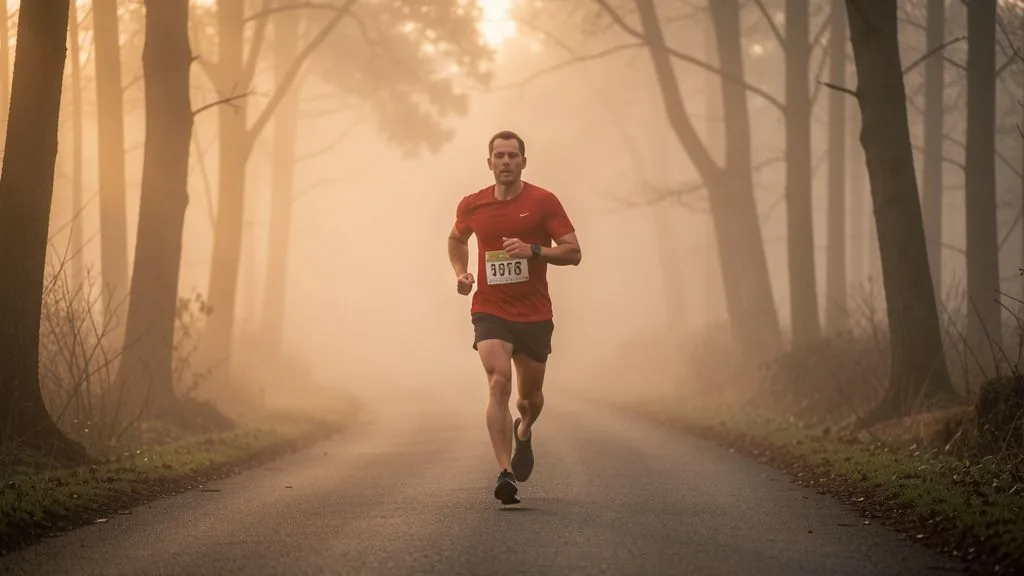
"Anti-inflammatory" has become one of the best-selling words in sports nutrition — turmeric shots, omega-3 capsules, tart cherry concentrate. The biology behind it is real: endurance training produces inflammatory signals, and diet influences how pronounced they are. It just does not work through miracle products, but through a pattern that stays stable for weeks. This article separates what holds up in studies from what is mostly expensive.
What inflammation actually means in sport
Inflammation is not an enemy, it is a repair programme. After a hard session immune cells move into the stressed muscle, cytokines such as interleukin-6 and TNF-α rise, muscle protein is broken down and rebuilt. This very stimulus starts adaptation: mitochondria multiply, capillaries grow, tendons and muscles become more robust. Suppress this acute response permanently with medication or high-dose antioxidants and you remove the trigger for adaptation — studies on vitamins C and E showed exactly that: less gain in oxygen uptake, less endurance performance.
The problematic form is different: a quiet, systemic inflammation that never fully settles. It comes from persistently too much load with too little recovery, from sleep loss, chronic stress, a one-sided diet heavy in ultra-processed food, and alcohol. In the lab it shows up as elevated CRP (C-reactive protein), often in the 3–10 mg/l range, while trained athletes outside of load peaks are usually below 1–3 mg/l. That pattern costs performance: it slows recovery, disturbs sleep and makes injury more likely.
Why endurance athletes have their own inflammation profile
A trained body reacts differently from an untrained one. Muscle tissue releases more interleukin-6 during exercise — not as a classic inflammatory messenger, but as a signal to mobilise fuel and drive repair. At the same time, the capacity to buffer oxidative stress is better developed in regular trainees: the body's own antioxidant system (superoxide dismutase, glutathione peroxidase) becomes stronger through moderate training stimuli, not weaker.
The practical conclusion: an athlete does not need maximum suppression of inflammation, but a diet that supplies repair material and keeps systemic inflammation low. That is exactly what the food list below is built for — it does not replace training control, it works alongside it. If you want to know whether your load management is sound, the basics are in the article on CTL, ATL and TSB.
The foods with the best evidence
Go through the nutrition literature on inflammatory markers and remarkably few foods remain that work consistently in controlled trials. These do:
- Oily fish (salmon, herring, mackerel, sardines): two to three portions of 150 g per week. The long-chain omega-3 fatty acids EPA and DHA displace arachidonic acid from cell membranes and reduce production of pro-inflammatory eicosanoids. This is the single best-supported lever of all.
- Vegetables and fruit in volume: five portions a day, three of them vegetables. What matters are secondary plant compounds — carotenoids, flavonoids, glucosinolates from broccoli and cabbage. They do not act as "antioxidants" in the blood but as signalling molecules that activate the body's own detoxification enzymes.
- Berries: anthocyanins from blueberries, cherries and raspberries moderately lower CRP and interleukin-6 in studies. Tart cherry juice has its own article: tart cherry juice and recovery.
- Extra virgin olive oil: oleocanthal acts on the same inflammatory pathway as ibuprofen — at a magnitude relevant to the kitchen, not to medicine. One to two tablespoons daily as your main fat source.
- Nuts and seeds: 30 g daily, walnuts preferred for their omega-3 content, flaxseed and chia as ALA sources.
- Fermented dairy: yoghurt, kefir, skyr without added sugar. A stable gut microbiome is closely linked to low systemic inflammation — details in gut microbiome and endurance.
- Spices: ginger (1–3 g fresh daily), garlic, cinnamon, turmeric as a spice in meals. Useful as an ingredient, overrated as an extract supplement.
What drives inflammation up
The opposite list is longer and acts faster than any positive measure:
- Alcohol: even a regular evening glass keeps CRP measurably elevated and costs deep sleep. For endurance athletes alcohol is the most underestimated inflammatory driver — see alcohol and endurance training.
- Ultra-processed food: emulsifiers, hardened fats and large amounts of refined sugar promote a more permeable gut lining ("leaky gut") and thus low-grade inflammation.
- Omega-6 excess: the omega-6 to omega-3 ratio in Western diets is often 15:1 instead of the target 4:1. The point is not to avoid omega-6 — sunflower oil is not "toxic" — but to fill up the omega-3 side.
- Chronic energy deficit: persistently too few calories at high training volume raises stress hormones and inflammatory markers. More in RED-S and energy availability.
- Sleep loss: one week of five-hour nights already raises CRP and interleukin-6. No food compensates for that.
Supplements: what actually helps
The market for "anti-inflammatory" products is large, the evidence is small. A sober assessment:
- Omega-3 (EPA/DHA): the only supplement with robust data. Worth taking if you eat fewer than two fish meals a week, at 1–2 g EPA+DHA daily. Quality marker: the stated EPA/DHA content per capsule, not "fish oil 1000 mg".
- Vitamin D: acts indirectly on immune regulation. In a Central European winter it is low in almost everyone — testing makes sense, details in vitamin D in endurance sport.
- Turmeric, boswellia, frankincense: impressive in vitro, barely arriving in the blood. Curcumin has very low bioavailability; even with piperine the effects in sports studies remain inconsistent.
- High-dose vitamin C and E: can even blunt training adaptation. A gram of vitamin C after every session is not a good idea — for a normally nourished person, intake from fruit and vegetables is sufficient.
- Collagen and gelatine: not anti-inflammatory in the classic sense, but relevant for tendons and connective tissue — see collagen for runners.
The principle: anything that costs more as a powder than three weeks of groceries should have clear study support. For most athletes, changing the plate delivers more than any capsule.
The anti-inflammatory plate in practice
The Mediterranean diet is the only dietary pattern whose anti-inflammatory effect has been shown consistently in large studies — and it combines well with endurance training because it stays carbohydrate-based. Here is how the plate splits:
- Half vegetables: seasonal, mixed in colour. Alternate raw and steamed, because some plant compounds only become available with fat (carotenoids) and others only when gently cooked (lycopene).
- A quarter complex carbohydrates: wholegrain rice, oats, potatoes, legumes, spelt. At high training volume this share may grow — endurance sport needs carbohydrates, not low-carb ideology.
- A quarter protein: fish, poultry, eggs, legumes, fermented dairy. Target 1.4–1.8 g per kilogram body weight daily, spread over three to four meals — more in protein for endurance athletes.
- Fat for flavour: olive oil, nuts, avocado, oily fish. Fat is not the enemy, fat quality is what decides.
A sample day for 75 kg body weight
- Breakfast: oats with berries, 20 g walnuts, 200 g skyr, plus a handful of flaxseed.
- Lunch: lentil stew with tomatoes, onions, garlic and ginger, one tablespoon of olive oil and a slice of wholegrain bread.
- Snack before the session: a banana plus a small handful of almonds.
- Dinner: oven-baked salmon (150 g), broccoli, sweet potato, lemon and herbs.
- After training: 300 ml kefir with a teaspoon of honey, or tart cherry juice after very hard blocks.
That is roughly 2,600 to 2,900 kilocalories, about 30 g of fibre, 2.5 g of omega-3 and more than 40 different plant foods across the week. The last point matters more than it sounds: food variety is one of the strongest predictors of a diverse microbiome.
What nutrition cannot fix
A point that appears in hardly any guide: inflammation is primarily a load-management problem. If you train more than you recover week after week, no diet will keep CRP down. The order is always: adjust load, secure sleep, then optimise nutrition. If you feel constantly tired, have chronically tight tendons and sleep badly, look at the warning signs first — the article on overtraining: 10 warning signs helps with the classification. And for how much recovery is needed, recovery in endurance sport covers the basics.
Frequently asked questions about anti-inflammatory nutrition
Which foods are anti-inflammatory?
The best evidence supports oily fish for omega-3, vegetables and berries for polyphenols, olive oil, nuts and fermented dairy. What matters is the pattern over weeks, not any single food.
Does turmeric help with post-training inflammation?
The evidence is weak. Curcumin has very low bioavailability, and part of training adaptation runs through exactly the inflammatory signals you would be suppressing. Useful as a spice, overrated as a supplement.
Should I take anti-inflammatories after hard sessions?
No. Regular painkillers blunt training adaptation. The inflammation after a hard session is the signal that triggers supercompensation — it belongs to training, just not permanently.
How long does an anti-inflammatory diet take to work?
First effects on blood markers and perceived recovery appear after four to eight weeks. Single meals change nothing measurable — the effect comes from consistency.
How Peakora connects nutrition and load
The Peakora engine plans your sessions with duration, intensity and load sequence, and shows you in the weekly plan where recovery gets tight. That is exactly where nutrition comes in: during hard blocks with elevated load the app suggests carbohydrate-focused fuelling with sufficient protein, while calmer weeks leave more room for vegetables and fish. Because the software is developed in Austria and hosted in the EU, your health and training data stay GDPR compliant. Terms such as CRP, supercompensation or omega-3 ratio are covered in the German training glossary, and anyone needing the basics of race-day fuelling will find them in fuelling for the marathon.
Plan your training with Peakora
Load, recovery and fuelling guidance in one weekly plan. Start for free, no credit card required.
Start for free