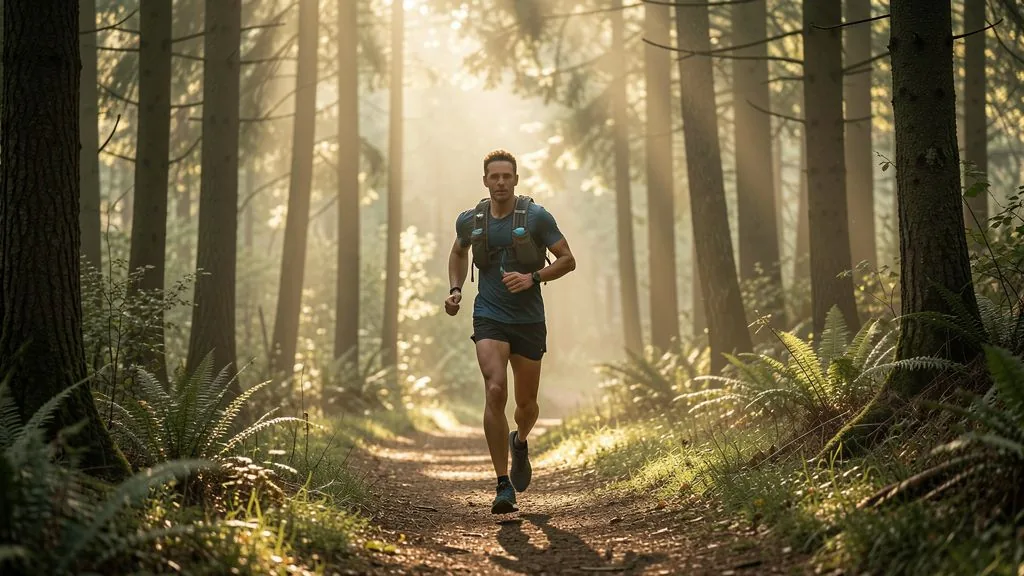
Running, cycling and triathlon on a vegan diet is now everyday reality in competitive sport, from the marathon to the ultradistance. The research is clear: a well-planned vegan diet costs no performance. But it does not forgive a lack of planning. Six nutrients decide whether the switch succeeds — and a few concrete routines put you in control of them.
What the research says
Comparative studies of vegan and omnivorous endurance athletes show no disadvantages in VO2max, lactate threshold or strength values — provided energy and protein intake are adequate. Part of the effect is indirect: plant-based whole foods deliver plenty of carbohydrates, fibre and antioxidant phytochemicals, which supports recovery. Things only become critical when “vegan” is understood as “just leaving things out”. Anyone who removes meat and dairy without planning replacements slides into deficits that surface weeks later as a form slump, susceptibility to infection or declining training quality.
In other words: vegan nutrition in training is not a project of renunciation but a project of planning. And the planning concentrates on a small number of construction sites.
The six critical nutrients
- Protein: plant sources deliver less leucine per gram and are less digestible — the target intake is therefore higher than for omnivores.
- Vitamin B12: found practically only in animal foods. Supplementation is not an option but a requirement.
- Iron: plant non-haem iron is absorbed far less efficiently than haem iron — meal composition is decisive. Details in the article on iron deficiency in endurance sport.
- Zinc: similar inhibitor problem to iron (phytates in whole grains and legumes). Important for the immune system and recovery.
- Calcium & vitamin D: without dairy you need fortified plant drinks, calcium-rich mineral water (> 400 mg/l), sesame/tahini and kale — plus vitamin D, which almost everyone at northern latitudes should supplement anyway.
- Omega-3 & iodine: ALA from flax and walnuts converts to EPA/DHA at only a few percent — an algae oil is the reliable source. Iodine comes via iodised salt or algae products (caution with kelp: overdosing is possible).
Protein: amounts and combinations
For endurance athletes, 1.2–1.6 g of protein per kilogram of body weight is the usual target — as a vegan you should aim for 1.6–1.8 g/kg to compensate for lower bioavailability. At 70 kg that is 110–125 g per day. More on amounts and timing in the article protein for endurance athletes.
Three levers make the difference:
- Combine instead of counting: grain + legume yields a complete amino acid profile — rice with lentils, wholegrain bread with hummus, pasta with bean sauce. The combination does not have to happen in the same meal; the day is what counts.
- Use soy: tofu, tempeh, edamame and soy drink deliver an almost complete profile with decent leucine on their own — 150 g of tempeh provide around 28 g of protein.
- 25–35 g per meal: the muscle-protein-synthesis stimulus per meal has a ceiling. Three to four protein-focused meals beat one protein bomb in the evening. After hard sessions, 25–30 g belong in the 60-minute post-workout window.
Iron and zinc: manage absorption smartly
Phytates in whole grains, legumes and nuts bind iron and zinc in the gut. Three routines defuse that:
- Vitamin C with the meal: a bell pepper, a glass of orange juice or lemon in the dressing multiplies iron absorption from that same meal.
- Soak, sprout, ferment: soak legumes overnight (discard the water), eat grains as sourdough or sprouted — this breaks down phytates.
- Coffee and tea at a distance: no coffee, black or green tea for 1–2 hours before and after iron-rich meals — their polyphenols block absorption almost completely.
Testing beats guessing: have ferritin and transferrin saturation measured once a year — menstruating female athletes should check twice a year. Athletes need 30–70% more iron than non-athletes anyway, due to sweat losses and mechanical destruction of red blood cells.
Vitamin B12: supplementation is mandatory
There is no plant-based B12 source that reliably covers requirements — not sauerkraut, not algae, not “fortified” products in everyday amounts. Common practice is 250–500 µg daily or 2000 µg once a week as a supplement. A deficiency develops insidiously over months to years and hits blood formation and the nervous system first — precisely the systems on which endurance performance is built. When testing B12, look at holo-transcobalamin or MMA, not just total B12.
In practice: a training day on the plate
Here is a day for a 70-kg runner targeting ~110 g of protein — nothing exotic, everything from a normal supermarket:
- Breakfast: porridge with 80 g oats, soy drink, 30 g nut butter, berries and 1 tbsp ground flaxseed — about 22 g protein.
- Lunch: lentil dal with rice and bell-pepper vegetables — about 30 g protein, iron + vitamin C in one pot.
- Post-workout snack: vegan protein powder (pea/rice blend) with a banana — about 27 g protein, plus carbohydrates to refill glycogen stores.
- Dinner: wholegrain wrap with pan-fried tempeh, hummus and salad — about 30 g protein.
- Around that: iodised salt in the kitchen, daily B12 and vitamin D, an algae-oil capsule 2–3 times a week, mineral water with > 400 mg calcium per litre as your go-to drink.
Together that adds up to roughly 110 g of protein, well-absorbed iron and all critical nutrients — without marathon tracking sessions.
Common mistakes
- Only removing, never replacing. Vegan convenience products and substitute sausages are easy, but often deliver little protein and plenty of salt. The foundation remains legumes, whole grains, nuts and soy products.
- A fibre explosion before training. Anyone suddenly eating 60 g of fibre a day knows the result: fullness and bloating on the long session. Transition gradually over 2–3 weeks, and favour white bread and rice over wholegrain before hard sessions and on race day.
- Too little energy. Plant-based whole foods are voluminous and highly satiating — at high training volumes many vegans unknowingly undereat. With 10+ training hours, energy-dense snacks help (nut butter, dried fruit, smoothies).
- Never checking blood values. Ferritin, B12 (holo-TC), vitamin D and zinc belong in a lab panel once a year — you only feel deficits once they are already costing performance.
- Forgetting race fueling. A vegan base diet does not replace carbohydrate supply during long sessions — gels and drinks are almost always vegan anyway. See the article on fueling for the marathon.
How Peakora puts your nutrition in context
Nutrition and training interlock: Peakora plans your sessions around load and recovery — and the nutrition plan (Elite tier) aligns carbohydrate and protein targets with the planned training week. After hard intervals you see the elevated protein requirement directly in your daily plan; in high-volume weeks the carbohydrate targets rise automatically. That turns the theory of “1.6 g/kg” into a concrete number per day — omnivore or vegan alike.
Frequently asked questions
Is a vegan diet healthy for endurance athletes?
Yes — a well-planned vegan diet fully meets the needs of endurance athletes and is considered appropriate for all life stages by professional dietetic associations. Planning is the key: vitamin B12 must be supplemented, and protein, iron, zinc, calcium, iodine and omega-3 require deliberate food choices.
How much protein do vegan endurance athletes need?
Vegan endurance athletes should aim for 1.6–1.8 g of protein per kilogram of body weight per day — slightly more than omnivores, because plant protein has lower digestibility and less leucine. At 70 kg that means 110–125 g per day, spread across 3–4 meals of 25–35 g each.
Do vegans need to supplement vitamin B12?
Yes, without exception. Vitamin B12 occurs in relevant amounts only in animal foods; fortified products do not cover requirements reliably. Common doses are 250–500 µg daily or 2000 µg weekly. A deficiency damages blood formation and the nervous system — doubly critical for athletes.
Is plant-based iron enough for runners?
Yes, if absorption is managed smartly: combine non-haem iron from legumes, whole grains and nuts with vitamin C (e.g. bell pepper or citrus with the meal), keep coffee and tea 1–2 hours apart from meals, and soak or ferment legumes. Have ferritin checked once a year.
Are vegan protein powders useful for endurance athletes?
Yes, as a practical supplement. Multi-source powders made from pea and rice protein provide a complete amino acid profile with high leucine content. 25–30 g after hard sessions or on low-protein days is convenient — but it does not replace a varied whole-food foundation.
Plan training and nutrition with Peakora
Adaptive training plans with matching nutrition targets — protein and carbohydrates aligned with your training week. Start for free, no credit card required.
Start for free